


The much-awaited Galaxy M15 5G from Samsung has fi...
news-extra-space
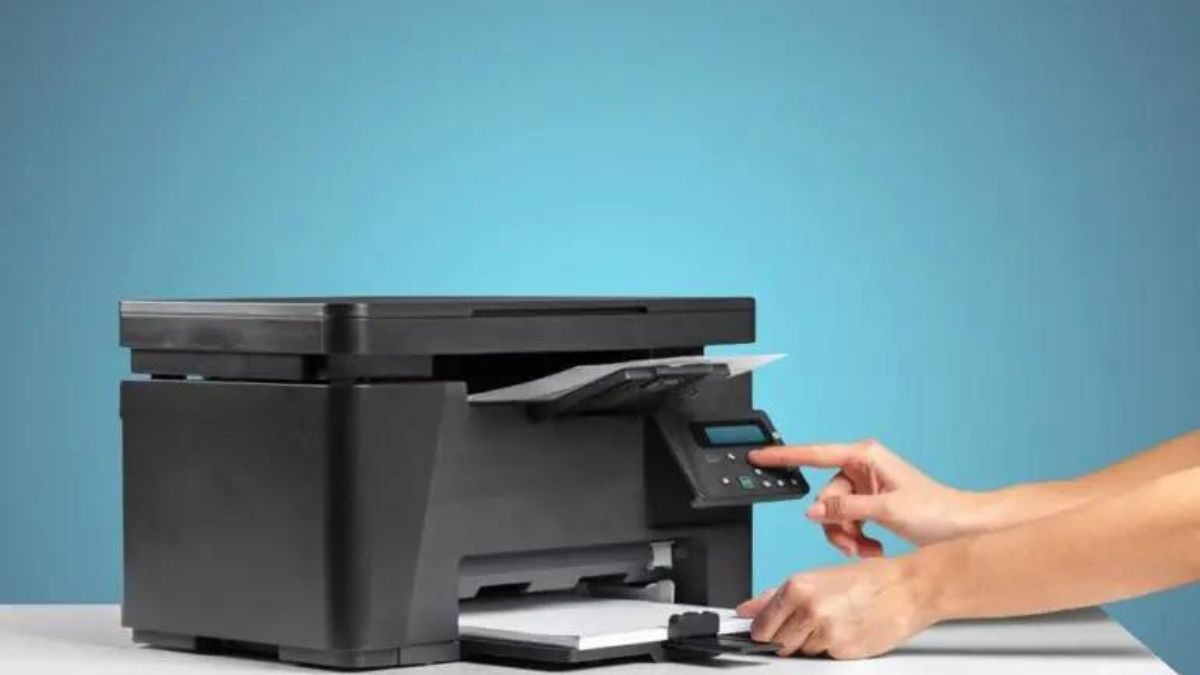
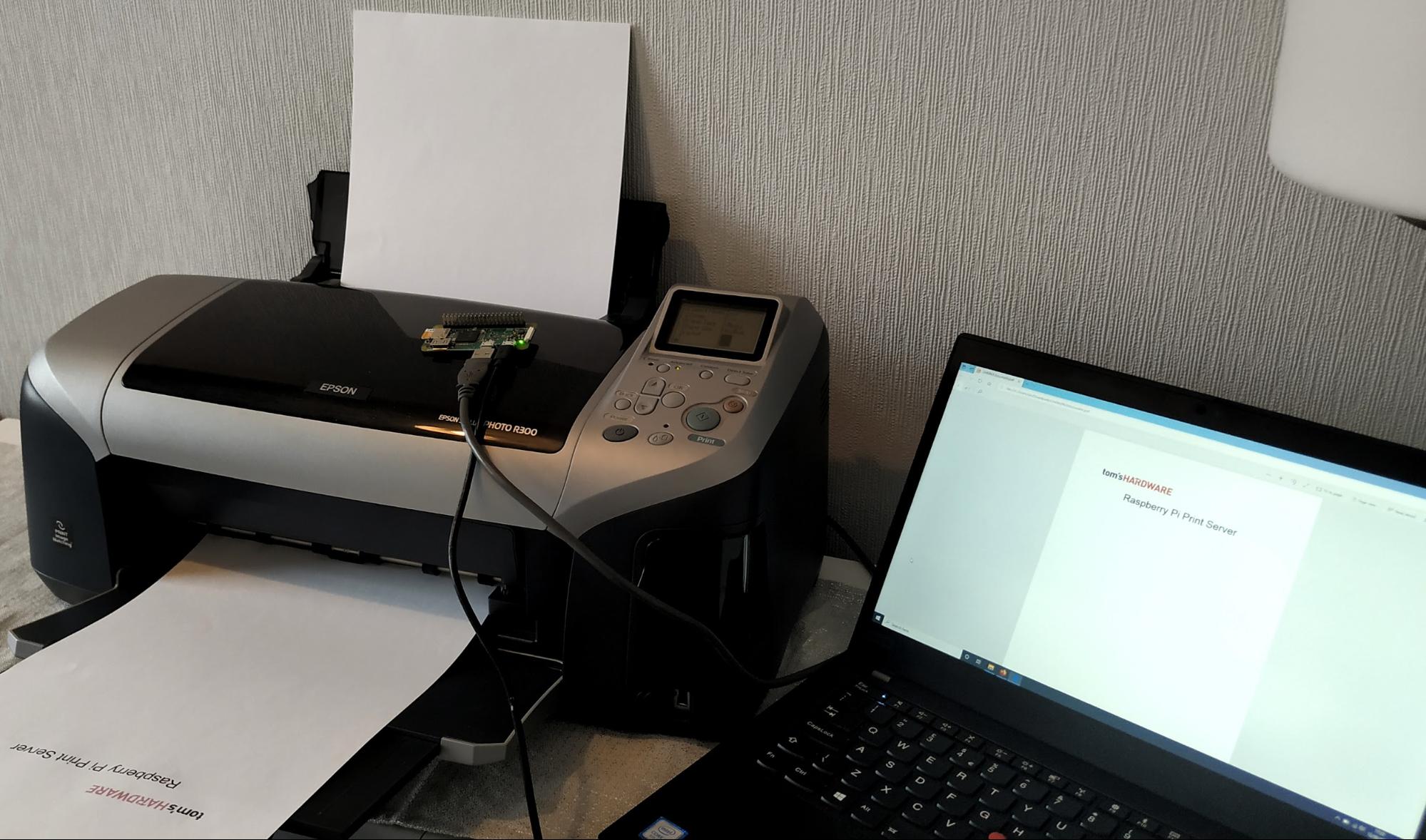 Image credit- Tom's Hardware[/caption]
Users must be able to access and print from these EMR/EHR systems to a printer located in their office from remote clinics or labs. These SaaS applications frequently have few printing options available. These restrictions may also be addressed by a remote printing solution.
There are four major drawbacks to using a VPN for printing. VPN solutions demand a persistent connection that is always active, which adds to network traffic and increases susceptibility. A persistent connection is not necessary for remote printing.
A VPN solution's implementation can be quite expensive and demand a lot of the support team's attention, energy, and resources. Remote printing is simple to set up and saves time and money.
VPN services are susceptible to compromise. It is possible to safely pull print output from a remote solution over the internet.
Image credit- Tom's Hardware[/caption]
Users must be able to access and print from these EMR/EHR systems to a printer located in their office from remote clinics or labs. These SaaS applications frequently have few printing options available. These restrictions may also be addressed by a remote printing solution.
There are four major drawbacks to using a VPN for printing. VPN solutions demand a persistent connection that is always active, which adds to network traffic and increases susceptibility. A persistent connection is not necessary for remote printing.
A VPN solution's implementation can be quite expensive and demand a lot of the support team's attention, energy, and resources. Remote printing is simple to set up and saves time and money.
VPN services are susceptible to compromise. It is possible to safely pull print output from a remote solution over the internet.
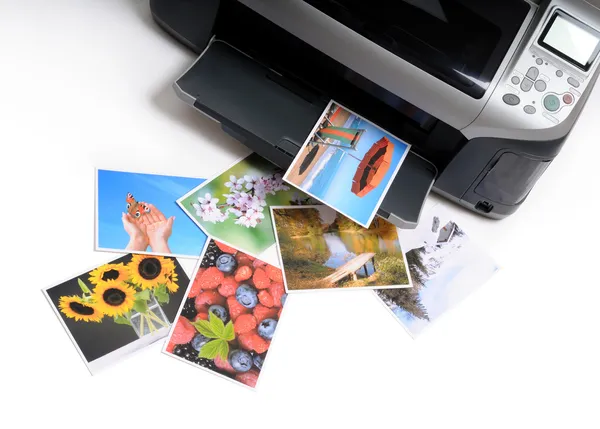 Image credit- Depositphotos[/caption]
People who work from home have significantly increased since the creation of COVID-19. According to the U.S. Census Bureau, the percentage of Americans who work from home tripled between 2019 and 2021, rising from 5.7% (approximately 9 million people) to 17.9% (27.6 million people).
Users who work from home must use the workplace network to access and print documents. This lists a few possible problems: Corporate networks or apps are unaware of or unable to connect to personal printers.
Numerous documents include private or regulated information (PI) that shouldn't be disclosed to third parties. However, it might now be necessary for employees to use them from home.
It is not advisable to share network resources or connect to a VPN on many home networks since they are unreliable and could be vulnerable to dangerous software. It's possible for new or transient remote users to be unable to define a home-based print device on their PC.
Image credit- Depositphotos[/caption]
People who work from home have significantly increased since the creation of COVID-19. According to the U.S. Census Bureau, the percentage of Americans who work from home tripled between 2019 and 2021, rising from 5.7% (approximately 9 million people) to 17.9% (27.6 million people).
Users who work from home must use the workplace network to access and print documents. This lists a few possible problems: Corporate networks or apps are unaware of or unable to connect to personal printers.
Numerous documents include private or regulated information (PI) that shouldn't be disclosed to third parties. However, it might now be necessary for employees to use them from home.
It is not advisable to share network resources or connect to a VPN on many home networks since they are unreliable and could be vulnerable to dangerous software. It's possible for new or transient remote users to be unable to define a home-based print device on their PC.

Leave a Reply





The much-awaited Galaxy M15 5G from Samsung has fi...
The Pixel Watch 3, which is expected to be a major...
The Google Pixel phone may soon prove to be a life...
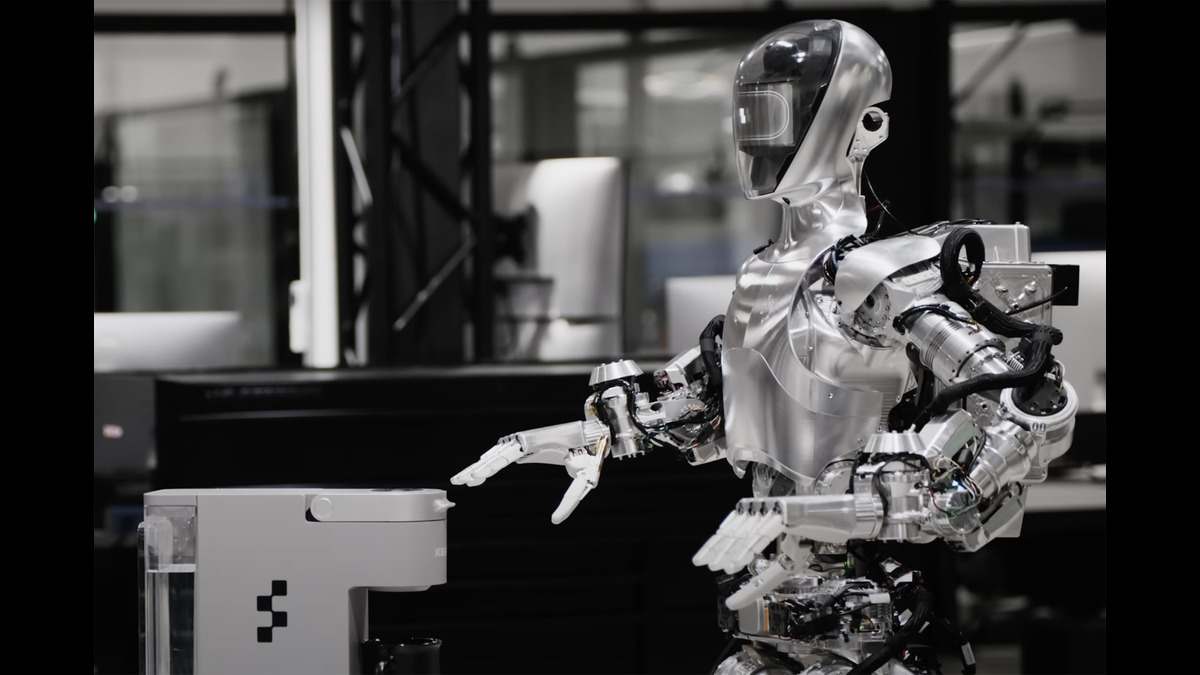
Figure AI, a rising star in the robotics industry,...
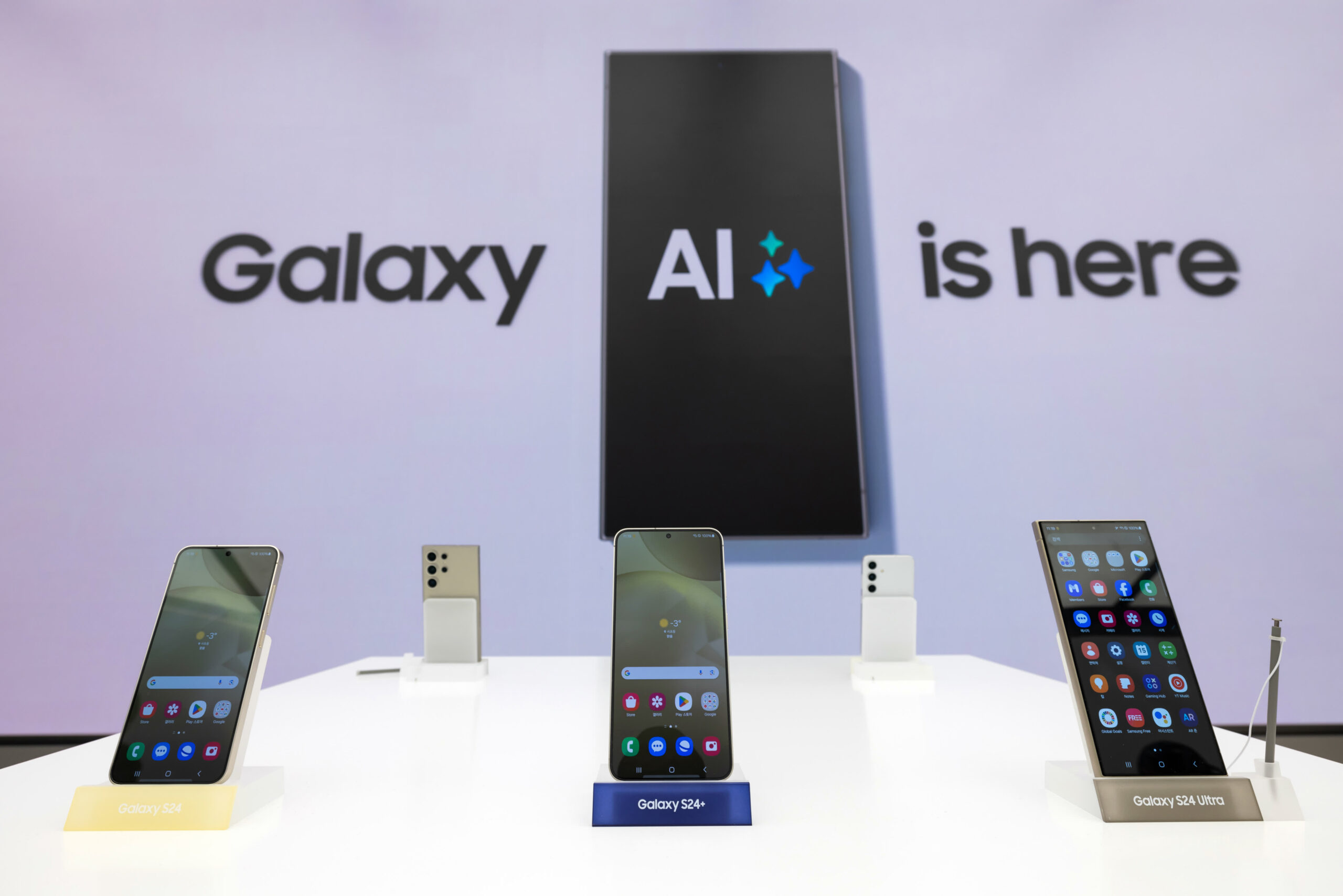
Are you considering upgrading to the AI-powered Ga...
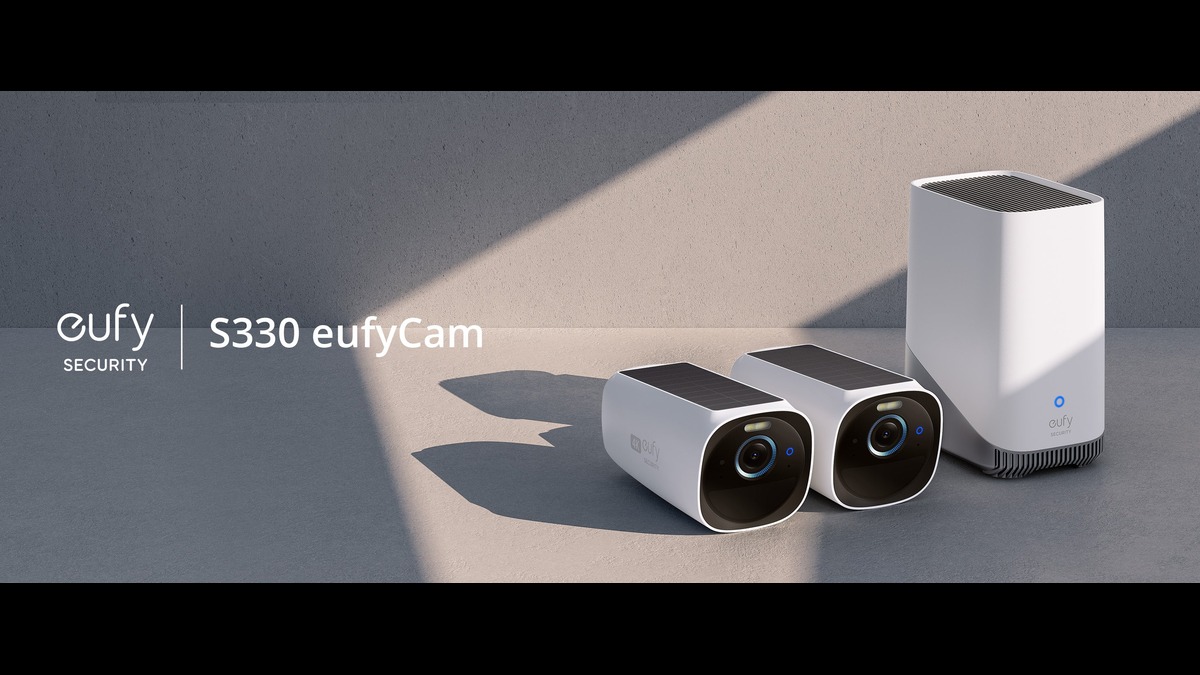
Anker's Eufy brand has just announced a game chang...